

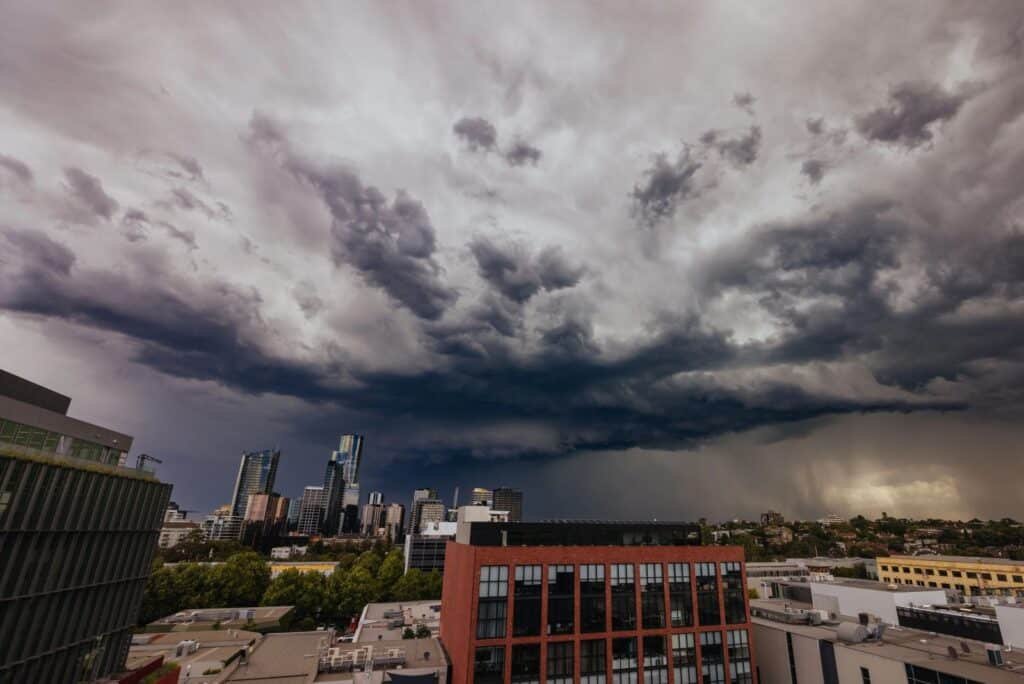
Melbourne’s weather can change quickly, shifting from hot, dry conditions to rain, wind and cooler temperatures within a short period. These changing conditions expose rooftop solar systems to dust, pollen, bird droppings, leaves and other debris that can gradually settle across the panels.
As a result, solar panel cleaning Melbourne homeowners arrange from time to time can form a useful part of routine system care, particularly when visible build-up starts interfering with the clear surface of the panels.
How Melbourne’s Changing Weather Affects Solar Panels
Solar panels are designed for long-term outdoor exposure, but their position on a roof means they continually collect whatever is carried by the surrounding environment. Melbourne’s combination of dry spells, windy days, rain and seasonal vegetation can create several different types of surface contamination.
During dry conditions, fine dust can actually settle across the panel surfaces. Wind may then introduce extra debris such as leaves, pollen and other airborne particles. Rain can wash away some of the loose material, but it does not necessarily remove deposits that have already adhered to the glass. Instead, light rain can sometimes redistribute dirt and leave residue behind as the water evaporates.
Temperature changes can also affect how contamination accumulates. Repeated wetting and drying may cause dirt to become more noticeable around panel edges, frames and areas where water naturally collects.
Why Rain Does Not Always Keep Your Solar Panels Clean
Many people assume that rainfall naturally cleans a solar array. Heavy rain can certainly remove some of the loose dust and surface particles, particularly from panels installed at a suitable angle. However, rainfall alone is actually unlikely to remove every type of contamination.
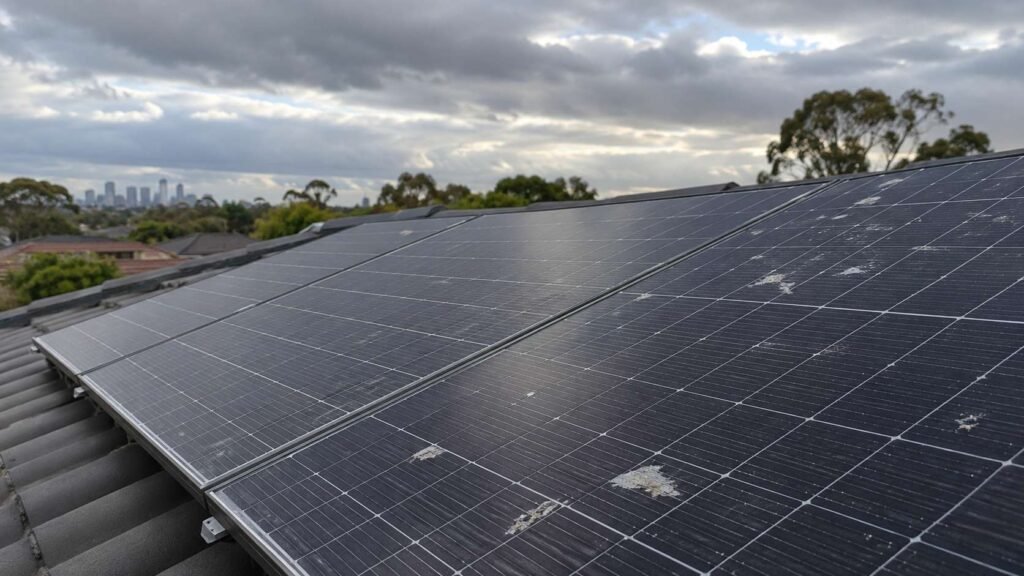
Bird droppings, sticky pollen, sap, oily airborne residue and compacted dirt can remain attached to glass after repeated rain. Where particles combine with moisture, they may form marks that become harder to shift once dry.
This is one reason solar panel cleaning that Melbourne property owners arrange periodically can remain useful even in a city that receives regular rainfall.
Water Can Leave Dirt Concentrated in Certain Areas
Rainwater does not always move evenly across a panel. Depending on the installation angle, roof design and frame, water may carry fine particles towards edges or lower sections before drying.
Over time, these areas can develop visible lines or patches of residue. A panel may therefore appear reasonably clean from ground level while still carrying contamination that is more obvious during a close inspection.
The Connection Between Clean Panels and Solar Performance
Solar Panels Depend on Clear Exposure to Sunlight
Photovoltaic panels generate electricity by converting sunlight into usable electrical energy. Anything that reduces the amount of sunlight reaching the active surface has the potential to affect how efficiently a system operates.
A very light and evenly distributed layer of dust may have a relatively minor effect, but heavier or localised contamination can create a much more noticeable shading. Bird droppings and accumulated leaves are particularly relevant because they can cover defined sections of a panel rather than simply creating a thin film.
Keeping solar panels reasonably clean helps ensure environmental build-up is not an avoidable barrier between the panels and available sunlight.
Localised Soiling Can Be Different From General Dust
Not all contamination affects panels in the same way. A thin layer of dust spread across an entire array differs from a concentrated obstruction sitting over one part of a panel.
Leaves, nesting material or bird waste can create more pronounced shaded areas. Depending on the system configuration and panel technology, shading on part of an array may influence overall performance.
Regular visual assessment and appropriate cleaning can help identify these issues before they remain unnoticed for extended periods.
Common Causes of Solar Panel Build-Up in Melbourne
Dust and Airborne Particles
Dry weather and wind can carry fine particles onto rooftops from roads, gardens, construction activity and surrounding open areas. These fine particles may settle gradually and become a lot more noticeable during extended periods without substantial rain.
Properties near busy roads, industrial areas or construction sites may experience different levels of airborne contamination from homes in quieter residential areas. The surrounding environment is therefore an important factor when deciding how often panels should be checked.
Bird Droppings and Wildlife Activity
Bird droppings are among the heaviest and hardest-to-clean forms of solar panel contamination. They can dry firmly onto the glass surface and may remain there after rainfall, especially during warm weather.
Bird activity may also lead to leaves, twigs and other nesting materials collecting around an array. Debris beneath or beside panels can potentially interfere with drainage and should be considered as part of broader rooftop maintenance.
Pollen, Leaves and Organic Material
Melbourne’s parks, gardens and tree-lined suburbs can expose the rooftops to a lot of pollen and seasonal plant material. Properties surrounded by mature trees can experience more leaf accumulation, while flowering plants often contribute pollen and other fine organic particles.
When organic material mixes with moisture and dust, it can create a more persistent coating than dry particles alone.
Why Seasonal Solar Panel Cleaning Can Be Important
Cleaning After Dry and Dusty Periods
Melbourne’s extended dry conditions will often allow dust to build up progressively, particularly when there is not a lot of meaningful rainfall to wash the loose particles away. A visual check after a prolonged dry spell can help determine whether cleaning may be worthwhile.
For homeowners researching Melbourne’s solar panel cleaning options, timing maintenance around actual panel condition rather than following an arbitrary calendar often makes more sense. Different suburbs, roof pitches and surrounding environments can produce very different levels of soiling.
Checking Panels After Stormy Weather
Storms can wash some contamination away, but they can also introduce new debris. Strong winds may deposit leaves, small branches and plant material around a rooftop solar system.
Once conditions are safe, checking the system after significant weather events can help you spot obvious debris or other visible issues. You need to know that cleaning and inspection are actually separate from electrical repairs, so any suspected damage should be assessed by an appropriately qualified professional.
Seasonal Changes Can Alter Contamination Levels
The type of build-up on a solar array may change throughout the year. Pollen may be more noticeable during periods of active flowering, while dry summers can increase dust accumulation. Autumn can bring additional leaf fall in areas with deciduous trees.
Rather than assuming one cleaning frequency suits every installation, homeowners can consider these local seasonal factors when developing a maintenance approach.
How Often Should Solar Panels Be Cleaned in Melbourne?
There is no universal cleaning interval that applies to every property. A relatively open suburban roof with few nearby trees may stay cleaner than a building close to a major road, construction site or heavy bird activity.
The angle of the solar panels also matters. Steeper installations can shed rainwater and loose material much more effectively, while shallower panels can allow the residue to remain for a lot longer. Accessibility, roof orientation and surrounding vegetation can all influence maintenance requirements.
A practical approach is to monitor both the visible panel condition and the solar system performance. If panels develop obvious build-up or unexplained output changes occur, an extra solar panel inspection may be appropriate.
Signs Your Solar Panels May Need Cleaning
Visible Dirt, Droppings or Debris
Obvious contamination is one of the clearest indications that cleaning may be required. This might include dusty surfaces, bird droppings, leaves, pollen deposits or streaking around panel edges.
Homeowners should avoid taking unnecessary risks to inspect panels closely. Much of a rooftop array may be visible from a safe location on the ground, through an upper-storey window or from other suitable vantage points.
Unexpected Changes in Energy Production
Many modern solar installations include monitoring systems that allow homeowners to compare energy production over time. A significant drop in solar output can have many possible causes, including weather, shading, equipment issues and contamination.
Cleaning should therefore not automatically be assumed to be the solution to every performance change. However, if panels are visibly dirty and output has declined without another clear explanation, panel condition is worth investigating.
Why Safe Cleaning Methods for Solar Panels Matter
Rooftop Access Introduces A Significant Risk
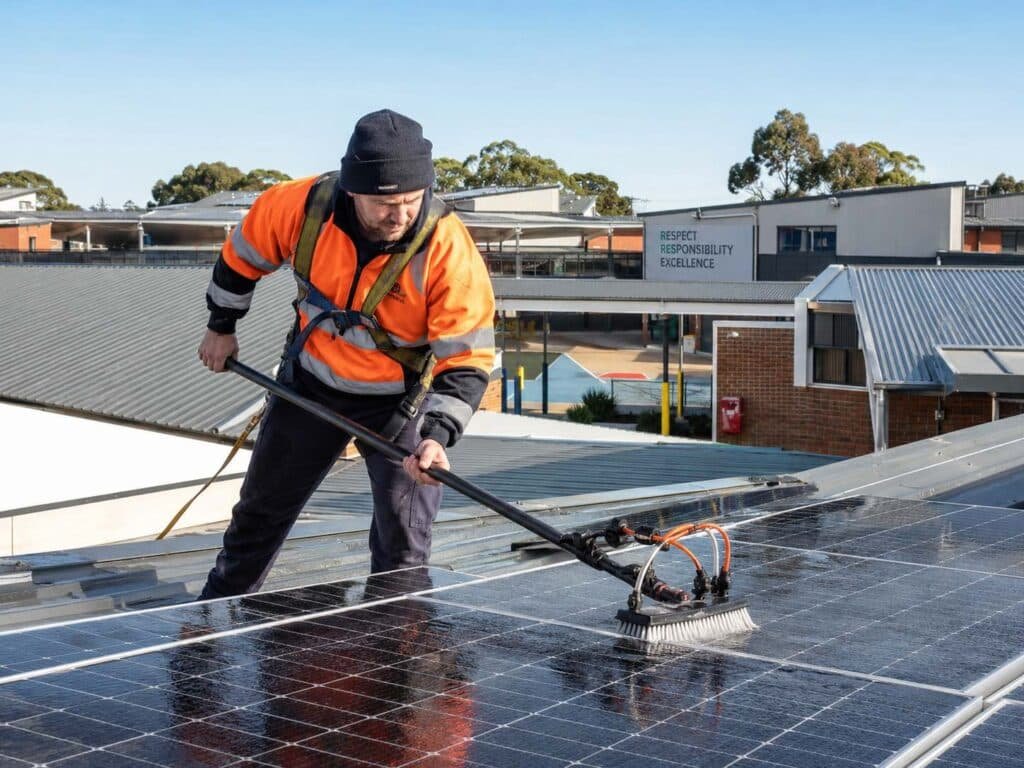
Solar panels are generally installed in roof areas with maximum sun exposure, making access one of the most important safety considerations. Working at height involves fall hazards, while wet surfaces can make roofing materials particularly slippery.
For this reason, homeowners should not treat solar panel cleaning the same way they would wash a ground-level window. Appropriate access equipment, safe work practices and an understanding of the roof environment are essential.
Using professional solar panel cleaning services in Melbourne may be particularly relevant where an array is difficult to access, installed on a steep roof or positioned across multiple roof levels.
Solar Panels Are Electrical Equipment
Although the glass surface may appear straightforward to clean, a solar array is part of an electrical system. Cables, connectors, isolators and associated components should not be interfered with during routine cleaning.
If there are signs of damaged wiring, cracked panels, loose equipment or electrical faults, cleaning should stop and the issue should be assessed by a suitably qualified technician.
Avoiding Cleaning Methods That May Damage Panels
Solar modules are made to be durable, but inappropriate cleaning techniques can still cause unnecessary wear and tear and make them susceptible to damage. Harsh abrasive tools may scratch surfaces, while aggressive chemicals may not be suitable for panel coatings or surrounding components.
High-pressure cleaning can also create problems if water is forced towards seals, electrical components or vulnerable areas of the installation. Panel manufacturers may specify particular cleaning recommendations, so system documentation should be considered before choosing a method.
In many cases, appropriate equipment and purified or suitable water can help remove contamination without leaving excessive residue. The exact approach should reflect the panel type, manufacturer guidance and nature of the build-up.
Professional Solar Panel Cleaning Versus DIY Maintenance
When DIY Cleaning May Be Impractical
Even when the cleaning task itself appears simple, safely reaching the panels may be the greatest challenge. Two-storey homes, steep roofs and difficult access points can make do-it-yourself maintenance inappropriate.
Professional cleaners may have equipment that allows them to work more safely and reach panels without placing unnecessary pressure on the array. They may also be better positioned to identify visible problems such as damaged glass, heavy debris or unusual staining.
What to Consider When Choosing a Cleaning Service
Homeowners comparing solar panel cleaning providers in Melbourne can consider the company’s approach to working at height, the equipment used and whether its cleaning methods are suitable for photovoltaic panels.
A reputable solar panel cleaning company should be able to explain how it will access and clean the panels without making unrealistic promises about the system performance. Cleaning can address surface contamination, but it cannot repair electrical faults or compensate for underlying system design issues.

Solar Panel Cleaning as Part of Broader System Maintenance
Cleaning is only one component of maintaining a solar installation. Homeowners should also remain aware of changes in system performance, visible damage, vegetation growth and debris around the panels.
Nearby trees may gradually create additional shade as they grow, while leaves and organic material can accumulate around roof valleys and gutters. Monitoring the surrounding rooftop environment can therefore be just as important as looking at the glass itself.
Electrical inspection and servicing should be left to appropriately qualified professionals. Keeping the distinction between routine cleaning and technical maintenance clear can help ensure the right issue is addressed by the right person.
Making Solar Panel Cleaning Work With Melbourne’s Weather
Melbourne’s variable conditions make a flexible maintenance approach more useful than relying on rainfall alone. Dry weather may allow dust to accumulate, while storms can deposit new organic debris. Pollen, bird activity and nearby vegetation can create additional localised contamination throughout the year.
Regular observation allows homeowners to respond to the actual condition of their system. For many properties, solar panel cleaning and maintenance is best viewed as an occasional practical task rather than something performed at a rigid interval regardless of need.
By considering roof location, surrounding vegetation, panel angle and recent weather, property owners can make more informed decisions about when cleaning is worthwhile.
Key Takeaways for Melbourne Property Owners
Solar panels spend their entire working life exposed to Melbourne’s changing weather, so some degree of dirt and debris is inevitable. Rain can remove loose particles, but it should not be expected to eliminate persistent contamination such as bird droppings, pollen residue or organic material.
Keeping panels reasonably clean can support unobstructed exposure to sunlight and make it easier to identify visible issues across an array. The appropriate cleaning frequency will vary according to the property, surrounding environment and panel installation.
Above all, solar panel cleaning should be approached safely, using methods that are suited to solar panel equipment. By monitoring panel condition and arranging the right type of maintenance when build-up becomes significant, Melbourne property owners can help keep their solar systems in good working condition through the changing seasons.
Talk to our team at Cleantek Group now for all your solar cleaning and maintenance issues.
Phone: 1300 13 25 14
Email: info@cleantekgroup.com