If your solar system has been performing reliably and you suddenly notice a sharp drop in generation, it can be difficult to know what has changed. Sometimes the cause is as simple as cloudy weather or seasonal variation.
In other cases, dirt, shading, inverter faults or damaged components may be reducing performance. For homeowners considering solar panel cleaning services in Melbourne, it is important first to understand whether contamination is actually contributing to the problem.
By looking at your system methodically, we can narrow down the likely cause and work out the most appropriate next step.
How Can I Tell If My Solar Output Has Actually Dropped?
Solar generation naturally changes from day to day, so a single low-output reading does not necessarily mean there is a problem. The amount of electricity a system produces depends heavily on sunlight levels, weather conditions, season, panel orientation and household location.
Look for a consistent change across multiple days rather than focusing on one isolated day. If your solar monitoring app or inverter shows a noticeably lower production across several clear days, especially compared with similar conditions during previous weeks or months, then that is more likely to indicate an issue worth looking into.
It is also useful to distinguish between a gradual decline and a sudden drop. A gradual reduction may point towards dirt accumulation, increasing shade or ageing components. A sharp change can be more consistent with an inverter error, electrical problem, sudden obstruction or physical damage.
Compare Your Current Output With Similar Conditions
The most useful comparison is not necessarily yesterday versus today. Instead, compare your output with days that had similar weather and sunlight conditions.
A bright summer day will almost always produce more electricity than an overcast winter day, so direct comparisons across different seasons can be misleading. If your system generated significantly more under comparable conditions in the past, it is worth looking a bit closer at what may have changed.
Look for Unusual Patterns in Your Monitoring
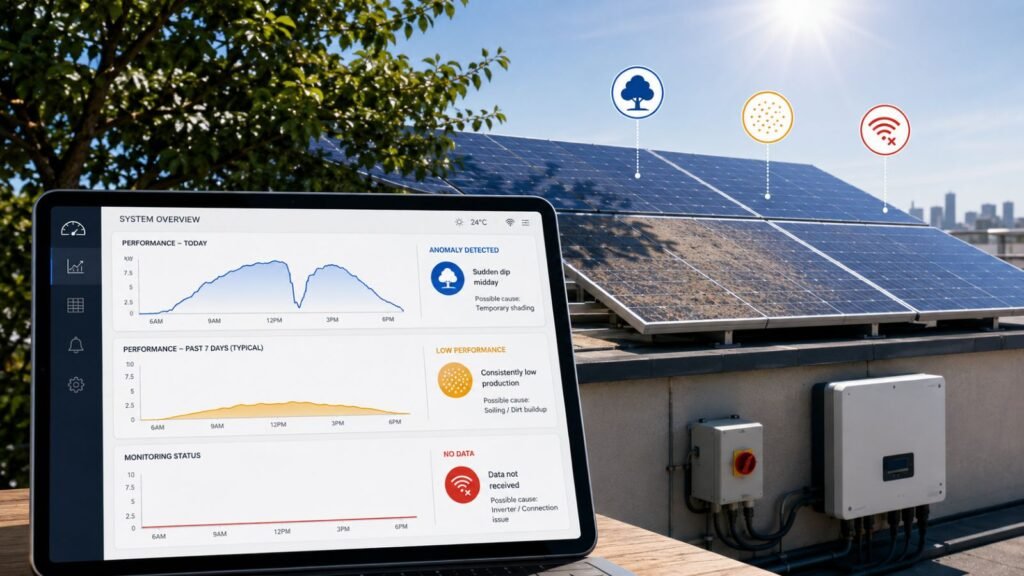
Solar monitoring platforms can provide useful clues. A sudden dip during certain hours may indicate shading, while consistently low production throughout the day may point to dirt, panel issues or inverter problems.
If your monitoring system suddenly stops recording data altogether, the problem may also be with the monitoring connection itself rather than the solar system. This is why it is important to consider both the displayed data and the actual behaviour of the system.
Could Melbourne’s Weather Be Reducing My Solar Production?
Melbourne is known for variable weather, and those changing conditions can have a noticeable effect on solar output. Cloud cover, storms, shorter winter days and changing sun angles can all reduce how much electricity your panels generate.
Before assuming there’s a fault with your solar system, we suggest checking whether the decline actually corresponds with a period of poor weather. If the output improves again once clearer conditions return, the drop might simply have been environmental.
Seasonal Changes Can Make a Big Difference
Solar systems generally produce more electricity during the longer, brighter days of spring and summer than they do during winter. This is normal.
In winter, the sun sits lower in the sky and daylight hours are shorter, so the panels have fewer strong sunlight hours available. A seasonal reduction in daily production should therefore be expected.
What matters is whether the system is performing reasonably for that time of year. If your winter output suddenly becomes much lower than it was during the same period in previous years, there may be another factor involved.
Cloud Cover Can Cause Short-Term Drops
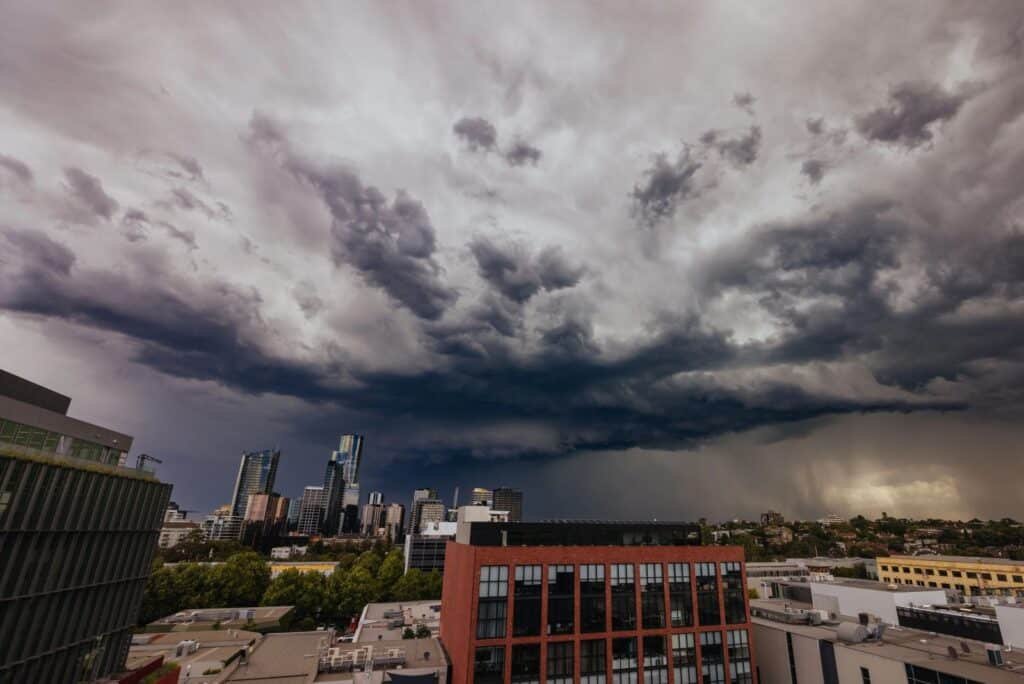
Heavy cloud can dramatically reduce the amount of sunlight reaching your panels. Even when the sky appears relatively bright, dense cloud can reduce generation.
We usually become more concerned when production stays unusually low during clear, sunny weather. That suggests the issue is less likely to be caused by short-term weather conditions alone.
Are Dirty Solar Panels Causing My Output To Drop?
Dirt is one of the more common and straightforward causes of reduced solar performance. Anything that sits between sunlight and the photovoltaic cells can limit how effectively the panels generate electricity.
Dust, pollen, pollution, leaves, bird droppings and other debris can gradually accumulate on the glass. In many cases, this buildup happens slowly, which means the decline in production may not be obvious until the contamination becomes more substantial.
Dust, Pollution and Pollen Can Build Up Over Time
Properties near busy roads, construction sites, industrial areas or dusty open spaces can experience more frequent contamination.
Fine particles can form a layer across the panel surface. Even if the panels do not look heavily soiled from the ground, that layer may still reduce the amount of sunlight reaching the cells.
Because this buildup is gradual, homeowners can sometimes become accustomed to lower output without realising how much performance has changed.
Bird Droppings Can Cause More Localised Problems
Bird droppings are particularly problematic because they can create concentrated areas of shading. Unlike loose dust, droppings can bond to the glass and remain in place through multiple periods of rain.
If birds regularly sit on your roof or panels, repeated contamination can become an ongoing issue. Bird activity may also indicate that birds are nesting underneath the array, which can introduce additional debris and maintenance concerns.

Rain Does Not Always Clean Panels Properly
Rain can remove some loose dust, but it does not always remove stubborn grime, bird droppings, pollen residue or baked-on contamination.
In some cases, rainwater can also move dust around and leave streaks or residue behind. That is why a panel that has been exposed to rain is not necessarily a clean panel.
If you can see obvious contamination and your generation has declined, professional cleaning is one of the practical steps worth considering.
When Should I Consider Professional Solar Panel Cleaning for my Melbourne Property?
Professional cleaning is most useful when there is visible buildup, a measurable decline in output or the panels have gone a long time without maintenance.
When people search for solar panel cleaning in Melbourne, they are often trying to solve a performance problem. Cleaning can be an important part of the solution, but we do not recommend assuming that every low-output issue is caused by dirt.
The best approach is to assess the wider system and consider all likely causes.
Professional Cleaning Removes Buildup Safely
Solar panels are designed to withstand outdoor conditions, but they still need careful, regular cleaning.
Harsh chemicals, abrasive tools and unsuitable high-pressure equipment can damage the panel surface or associated components. Working on a roof also introduces serious safety risks.
Professional cleaning allows contamination to be removed using methods suited to solar installations while avoiding unnecessary risk to the homeowner.
Cleaning Can Also Reveal Other Visible Issues
One of the additional benefits of maintenance is that it may bring other concerns to light.
Cracked glass, damaged cabling, loose components, bird nesting material and unusual debris can sometimes be noticed during servicing. These issues may not be visible from the ground and can otherwise go unnoticed until they cause a more significant problem.
Has New Shade Started Falling Across My Solar Panels?
Shading is another common reason solar output can fall, and it can develop gradually even if the system itself has not changed.
Trees grow, neighbouring properties change, and new rooftop equipment may alter the way sunlight reaches your array.
Trees Can Grow Into the Solar Array’s Sunlight
A tree that caused no problems when your system was installed may begin casting shade several years later.
Seasonal growth can also create temporary changes. Dense summer foliage may block more light than bare winter branches, depending on the position of the tree and the roof.
We recommend paying attention to the roof at different times of day because shade may only affect the system during certain hours.
New Structures Can Change Shade Patterns
Neighbouring extensions, second-storey additions, antennas, roof equipment and other structures can all introduce new shade.
Even a relatively small obstruction can affect production if it falls across an important section of the array.
Partial Shade Can Affect More Than One Panel
Solar systems can respond differently to shade depending on their design.
In some installations, shading one panel can influence the performance of other panels connected in the same string. Modern system designs may reduce this effect, but partial shading can still have a meaningful impact.
If your production drops at predictable times each day, shade is one of the first things we would investigate.
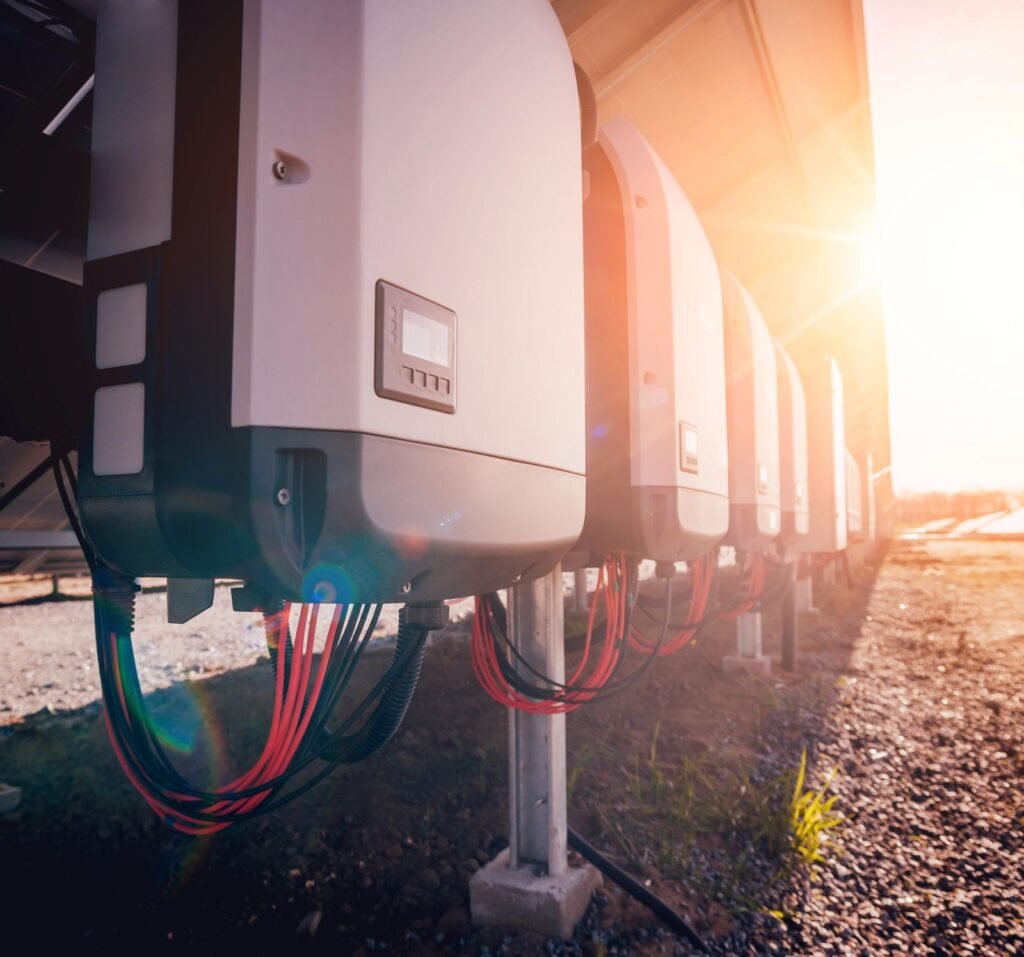
Could My Solar Inverter Be Causing the Problem?
Your inverter plays a critical role in turning the electricity generated by the panels into power that can be used in your home.
If the inverter develops a fault, production can reduce dramatically or stop altogether.
Check for Warning Lights or Error Codes
Many inverters display warning lights, fault messages or error codes when something is wrong.
If you notice an unfamiliar alert, check the manufacturer’s information or arrange for the system to be inspected by a suitably qualified professional.
We do not recommend opening or attempting to repair electrical equipment yourself.
A Monitoring Problem Can Look Like a Generation Problem
Sometimes the solar system is still producing electricity, but the monitoring platform is no longer displaying the data correctly.
Wi-Fi changes, communication faults and software issues can interrupt reporting.
If your monitoring graph suddenly disappears but there are no other obvious signs of failure, it is worth checking whether the problem is with the monitoring connection before assuming the panels have stopped working.
Could One or More Solar Panels Be Underperforming?
Individual panels can sometimes develop faults or sustain damage. Storms, debris, electrical issues, connection faults and component failures can all affect parts of an array.
Look for Visible Damage From a Safe Position
If your panels are visible from the ground, you may be able to spot obvious issues such as cracked glass, large debris or severe contamination.
However, we strongly recommend avoiding roof access unless you are trained and equipped to work safely at height. Trying to inspect rooftop equipment closely without the right experience can create far greater risk than the solar issue itself.
A System Health Check Can Identify Hidden Problems
Not every fault is visible. Electrical testing and performance assessment can help determine whether the system is operating as expected and whether one area is underperforming.
If your panels appear clean and unobstructed but output remains low, a solar panel health check may be the most useful next step.
Can Birds and Pests Affect Solar Panel Performance?
Bird activity can affect solar systems in more than one way. Droppings can cover the panel surface, while nesting material may collect underneath the array. Leaves, feathers and debris can also accumulate around the installation.
Nesting Material Can Build Up Around the Array
The sheltered space beneath solar panels can be attractive to birds. Over time, nesting material may build up and create additional maintenance issues requiring a bird-proofing solution. It can also make repeated contamination more likely.
Bird Activity Can Lead to Ongoing Panel Contamination
If birds consistently perch on or around the array, cleaning the panels may only provide a temporary improvement. In these situations, solar panel bird proofing may be worth considering as a longer-term preventative measure.
The goal is to reduce repeated fouling rather than continually dealing with the same contamination after it occurs.
Could Heat Be Reducing My Solar Panel Output?
It may seem surprising, but very high temperatures can reduce solar panel efficiency. Solar panels need sunlight, but they do not necessarily perform better simply because the weather is hotter. As panel temperature rises, efficiency can fall.
This means a scorching sunny day may not always produce as much electricity as a cooler day with equally strong sunlight. A modest heat-related reduction is normal. A major or sudden decline is more likely to have another cause.

Could My Electricity Usage Have Changed Instead?
A higher electricity bill does not always mean your solar panels are generating less. Your household may simply be using more electricity.
Air conditioning, electric heating, pool pumps, EV charging, new appliances, or more people spending time at home can all increase consumption. We recommend looking at both sides of the equation. Check solar generation as well as household usage.
If generation remains stable but grid imports have increased, the cause may be higher consumption rather than poor solar performance.
What Should I Check First When Solar Output Suddenly Drops?
When a system starts underperforming, it helps to work through the possible causes in a logical order.
Check the Weather
Take a look at the recent weather conditions and consider whether cloud cover, storms or any seasonal changes could explain the decline.
Review Your Solar Monitoring
Compare your solar production with similar days and look for any unusual patterns, error messages or missing data.
Look for New Shade
Check whether trees, buildings or rooftop structures are blocking sunlight at certain times.
Inspect the Panels From a Safe Location
Look for visible dirt, bird droppings, leaves, debris or obvious damage without climbing onto the roof.
Check the Inverter
Look for warning lights, error codes or behaviour that is different from normal.
Arrange Professional Maintenance if the Problem Continues
If output stays unusually low during good weather and there is no obvious explanation, professional cleaning or a system health check may help identify the cause.
How Regular Solar Maintenance Helps Prevent Unexpected Output Loss
Solar systems are often described as low maintenance, but low maintenance does not mean no maintenance. Regular care makes it easier to keep track of performance and notice when something begins to change.
Keep Panels Clear of Performance-Reducing Buildup
Cleaning intervals vary depending on the property.
A home surrounded by trees, birds, dust or traffic pollution may need more frequent attention than a property in a cleaner environment. Its best to base maintenance on actual conditions rather than applying the same schedule to every system.
Catch Developing Problems Earlier
Regular inspection can help identify visible wear, contamination, debris and bird activity before they become more disruptive. Early detection can also make troubleshooting easier because it gives you a better understanding of your system’s normal condition.
Protect the Long-Term Value of Your Solar Investment
Most homeowners install solar to reduce their reliance on grid electricity and get value from the energy their roof can generate. Maintaining the system helps support that investment over the long term.
Keeping the panels clean, monitoring performance and investigating unusual changes gives the system the best opportunity to operate effectively.
When Should I Call a Solar Professional About Low Output?
Professional help is worth considering when your system continues to underperform, and the reason is not obvious.
We recommend arranging an inspection if:
- Solar output remains unusually low during clear weather
- Your solar inverter displays warning lights or fault codes
- Solar panels are visibly dirty but difficult to access safely
- You can see signs of panel or cable damage
- Birds are active and nesting underneath the array
- Production does not recover after poor weather passes
- You cannot tell whether the issue is caused by dirt, shading or an electrical problem
The key is to avoid guessing. Solar performance problems can have several causes, and the right solution depends on what is actually happening.
Restore Your Solar System’s Performance With the Right Maintenance
A sudden drop in solar output does not automatically mean your system is failing. Weather, seasonal changes, dirt, bird activity, new shading, inverter faults and panel issues can all affect generation.
Start with the simplest explanations, such as reviewing what’s happening with your monitoring data and checking for any visible changes around the system. If your solar panels are contaminated or the cause remains unclear, professional solar panel cleaning and a broader system health assessment can help you take the next step with more confidence.
By identifying the real cause of the performance drop and keeping your system properly maintained, you can protect its efficiency, reduce avoidable losses and get more value from your solar investment over the years ahead.
Need your solar panels cleaned? Talk to us at Cleantek Group, we are your Melbourne solar panel cleaning experts.
Phone: 1300 13 25 14
Email: info@cleantekgroup.com